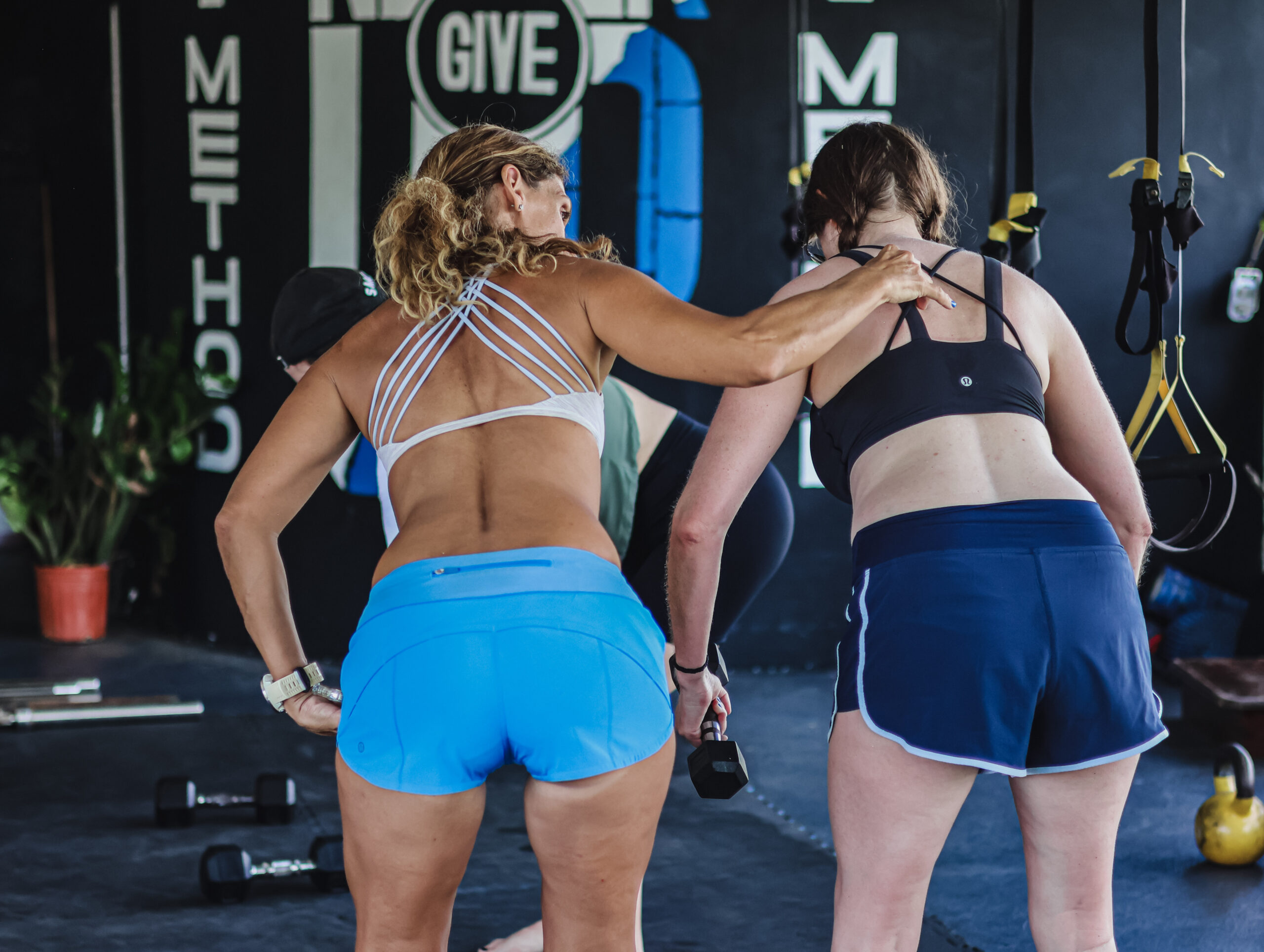
Back exercises have been a non-negotiable part of my life for years — and for good reason.
This is a repost from January 2018, but I’m sharing it again because people still ask me:
“Jen, what do you do to protect your lower back?”
Here’s the story and the 3 exercises that truly changed everything for me.
My Lower Back Injury Story (Bulging Discs + Big Wake-Up Call)
It was December 29, 2017.
I was fresh off the high of Ironman Hawaii, coming home from vacation in Florida, feeling unstoppable.
Then I did something dumb:
I twisted and lifted my 45-lb suitcase out of the SUV.
At first, it felt like nothing.
A few hours later?
FOOOOKKK. My back was wrecked.
I couldn’t walk.
I couldn’t flip turn in the pool.
Something was very wrong.
After an MRI, I found out:
I had three bulging discs
Degenerative disc disease
And I was only 46
That moment changed everything.
Why Lower Back Pain Happens (It’s Not Just Your Spine)
Most lower back pain isn’t because you’re “broken.”
It’s often because of:
- muscle imbalances
- weak glutes
- overworked hip flexors
- poor posture
- doing life on one dominant side
Your spine depends on surrounding muscles for support — and when certain muscles stop doing their job, your lower back picks up the slack
Common Signs of a Back Strain or Injury
Here are a few symptoms I experienced immediately:
tenderness and spasms
pain localized in the low back
pain triggered by twisting + lifting (yep… suitcase life)
relief with rest, worsening with movement
If pain is sharp, persistent, or radiating down the leg — always get checked by a professional.
My Back Exercise Rehab Plan (And How I Got Strong Again)
Instead of staying stuck, I went all in on learning.
I worked with:
Sports Medicine Associates in San Antonio
Dr. Saenz
Stratton Sport & Spine (3x/week rehab)
And I rebuilt slowly:
Granny bike → swim → light lifting → running
The key wasn’t rushing.
The key was consistency.
The Top 3 Back Exercises That Saved My Back
These are still part of my weekly routine today.
1. Pigeon Pose (Hip + Piriformis Release)
This stretch helped reduce tightness in my hips and glutes — especially when the pain started shifting around.
Perfect for anyone who sits a lot or feels “locked up.”
2. Single-Leg Glute Bridges (Glute Activation + Core Support)
This one taught my body how to stabilize again.
When your glutes are weak, your lower back compensates.
Single-leg work forces your body to do it right.
3. Single-Leg Romanian Deadlift (RDL)
This became a strength-builder and balance correction tool.
It targets:
hamstrings
glutes
deep core
stability muscles around the spine
Slow, controlled, powerful.
Rulon Rules for a Strong Back (Forever)
Here’s what I learned the hard way: Your back rehab isn’t temporary.
It’s maintenance.
My Rules:
Train unilaterally so your stronger side doesn’t take over
Use the same weight on both sides
Strengthen your weak links weekly — not “as needed”
Build your back like you build your confidence: consistently
Final Thoughts: Prevention > Rehab
Back pain is incredibly common — especially in midlife.
But it doesn’t mean your best days are behind you.
Strength training, smart mobility, and support can help you move forward stronger than ever.
Strong backs are built through smart, consistent training. If you’re ready for guidance, accountability, and a personalized approach, let’s talk. Book your complimentary 15-minute strategy call with me and start building strength that supports how you live, move, and train every day.
What we did back in our 20’s, don’t work anymore as we are heading into midlife! Small, consistent adjustments can create meaningful long-term change, especially when guided by intentional movement and supportive accountability.
