Pull ups for women over 40 can be one of the most challenging and empowering upper-body exercises you can do. They build real strength, improve posture, protect your shoulders, and help you feel capable in your body. Let’s be real. From ANY AGE, pull ups can be challenging.
And here’s the truth most women were never told:
You don’t need to “crank out pull-ups” to benefit from them.
You need smart progressions, proper form, and patience.
Whether you’re working toward your first pull-up or strengthening your upper body with assistance, this movement deserves a place in your training—especially in midlife.
What Muscles Do Pull-Ups Work?
Pull-ups are a true upper-body compound movement, meaning they train multiple muscles at once:
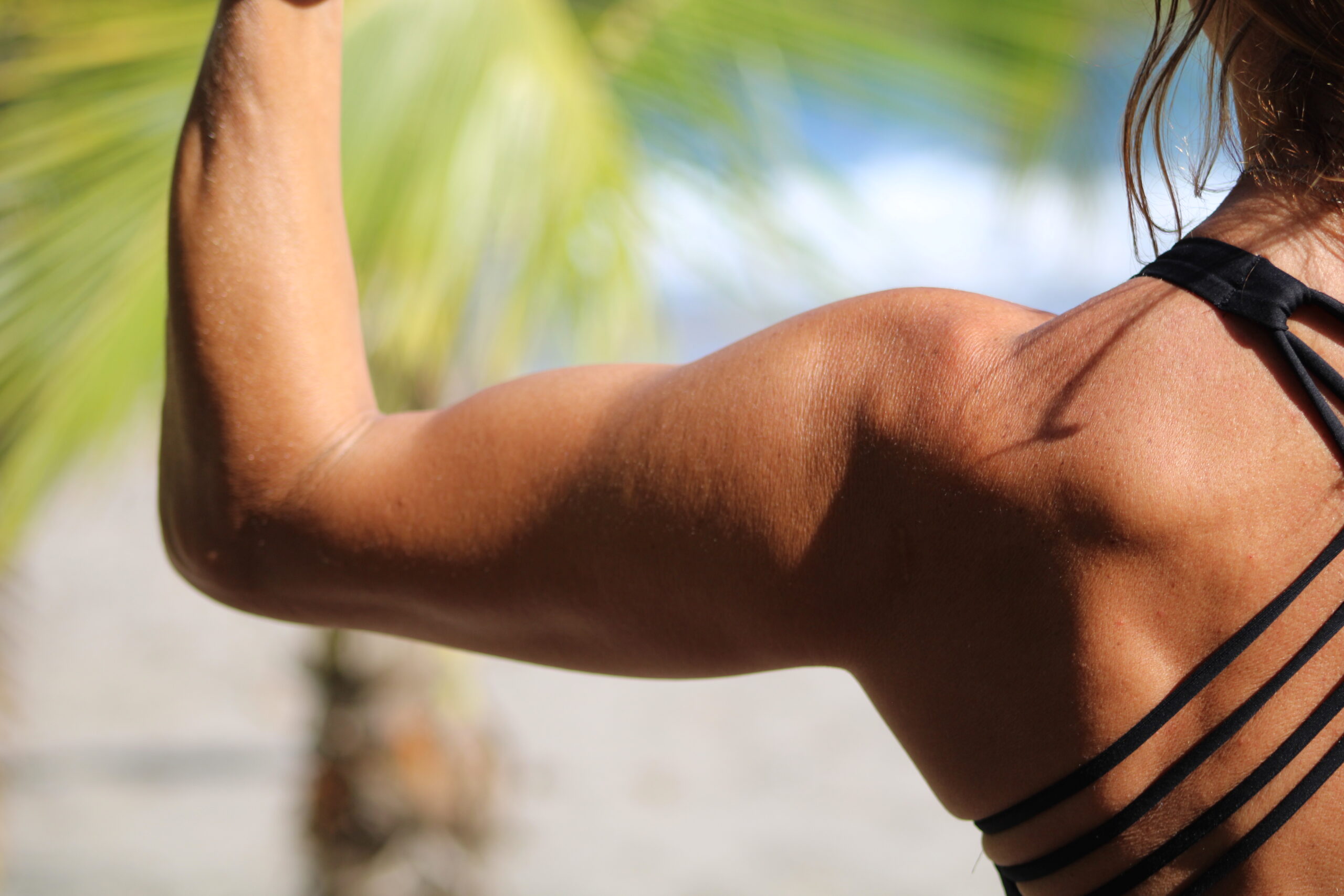
Latissimus dorsi (lats) – your primary pulling muscle
Middle & lower trapezius – posture and shoulder stability
Rhomboids – upper-back strength and scapular control
Posterior deltoids – shoulder balance
Teres major – assists the lats in pulling movements
Pectorals (minor support role)
Biceps, brachialis & brachioradialis – elbow flexors
Wrist & hand muscles – grip strength
Core muscles – stabilize the body throughout the movement
This is why pull-ups are so effective: they don’t just work your arms, they train your entire upper body to move as a unit.
Strict vs. Assisted Pull-Ups (Both Count)
You’ll often see people demonstrating strict pull-ups, where bodyweight alone is used. These require significant strength and control.
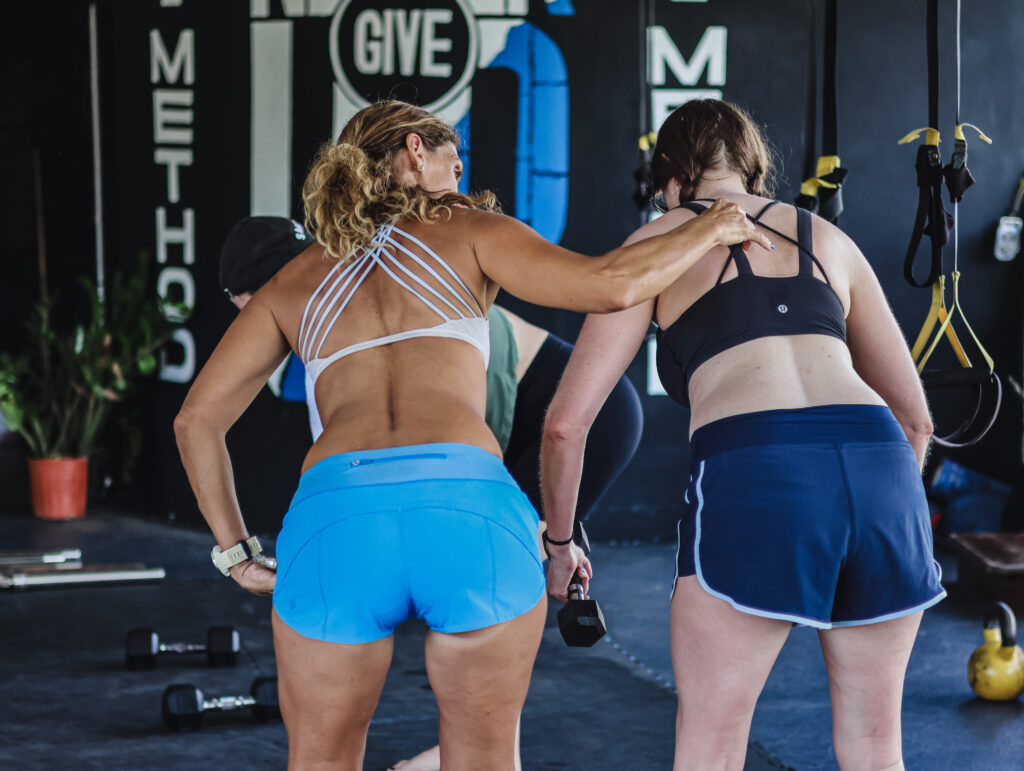
Assisted pull-ups, using resistance bands or a machine, are not a shortcut. They are a progression tool, and for many women, they are the smartest and safest way to build strength over time.
👉 Assisted pull-ups allow you to:
Maintain good form
Strengthen the right muscles
Protect your shoulders and elbows
Progress without frustration
If you’re training for longevity, assistance is a strength strategy—not a weakness.
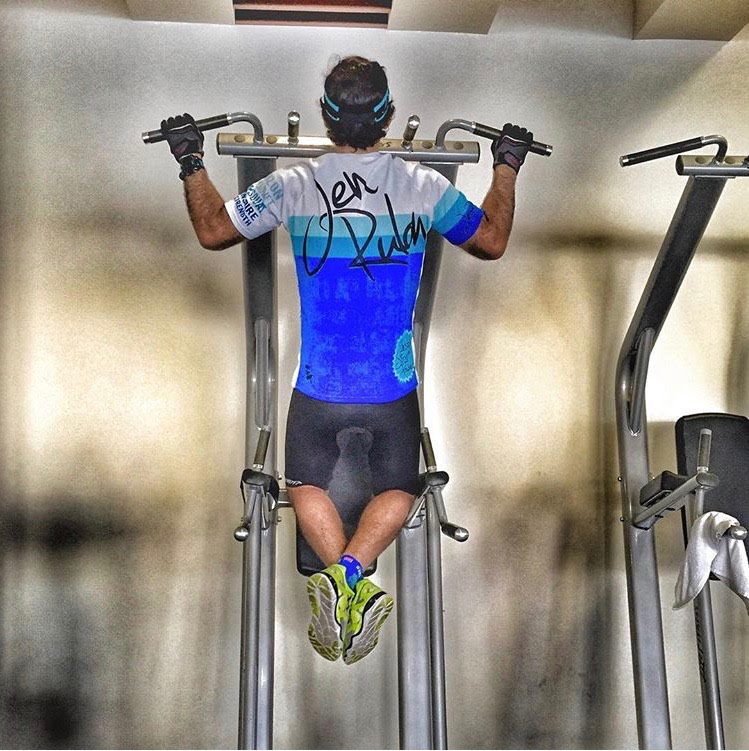
Pull Ups for Women Over 40 Tips
1. Hand Position Matters
Pull-up: Palms face away (pronated grip)
Chin-up: Palms face toward you (supinated grip)
Chin-ups typically feel easier due to increased biceps involvement. Choose the grip that feels best on your shoulders and supports your current strength level.
2. Find Your Natural Grip Width
There is no “one perfect” grip width.
A grip slightly wider than shoulder-width works well for most women, but comfort and shoulder health come first. If something feels strained or awkward—adjust.
3. Start With the Scapula
Before you bend your arms:
Pull your shoulder blades down and back
Think “proud chest” and “long neck”
This protects your shoulders and ensures you’re using your back—not just your arms.
4. Control the Lowering Phase
Lowering yourself slowly (the eccentric phase) builds strength faster than rushing reps.
Even if you can only control the descent, you’re still getting stronger.
5. Engage Your Core
A strong pull-up starts with a stable body:
Light core engagement
Minimal swinging
Full arm extension at the bottom
Chin clearing the bar at the top
This turns a pull-up into a full-body strength movement, not just an arm exercise.
Bonus Tip (For the Curious Minds)
There is a difference between pull-ups and chin-ups in muscle activation and joint demand. If you enjoy the science side of training, articles like those on Breaking Muscle explain the biomechanics clearly and simply.
Why Pull-Ups Matter in Midlife
I’ll be honest—pull-ups are still hard for me. And that’s exactly why I keep them in my training.
They:
Strengthen the muscles that support posture
Help prevent neck and shoulder pain
Improve grip strength (huge for aging well)
Build confidence in your body’s capability
This isn’t about perfection or reps; it’s about staying strong, capable, and independent.
Final Thought
If pull-ups feel intimidating right now, that’s okay. Start where you are. Use assistance. Build slowly. Strength is built—not rushed.
If you’re working on upper-body strength and want guidance that meets you where you are, this is exactly the kind of work I love helping women with.
What’s your biggest challenge with upper-body training right now?
Check out my 1:1 Coaching and how I can help you get stronger in your midlife!