
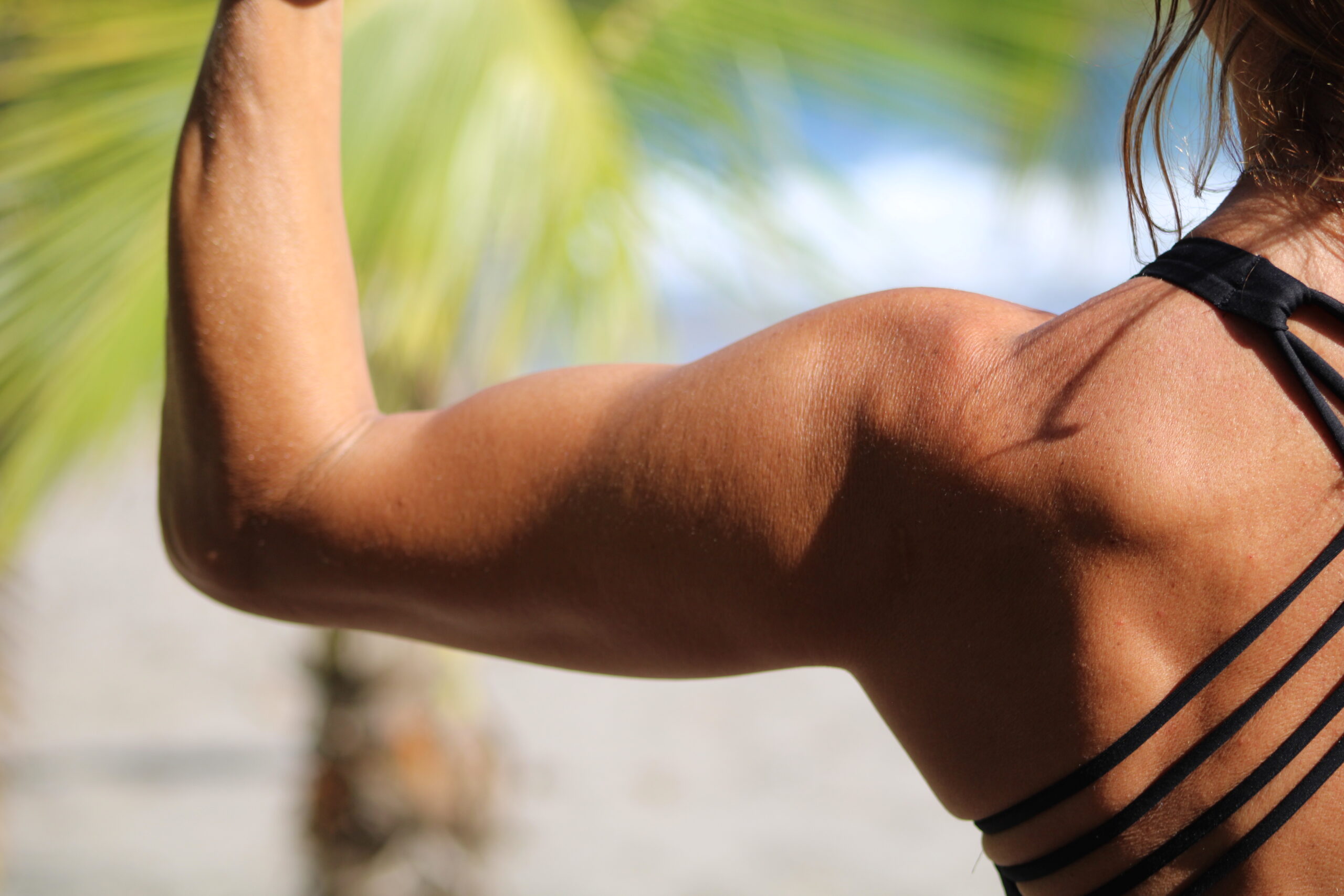
Push ups are one of those exercises you either love or hate—there’s rarely an in-between. For years, I dreaded them, but I’ve learned to embrace their benefits because they are truly one of the best bodyweight exercises you can do.
Push ups are often viewed as a basic exercise, but they carry tremendous value — especially as we move through midlife. Upper body strength plays a meaningful role in daily function, posture, bone health, and overall confidence in movement. As hormonal shifts influence muscle retention and bone density, incorporating simple bodyweight strength work becomes increasingly important.
Beyond the physical benefits, push ups develop coordination and stability. They recruit the chest, shoulders, arms, and core simultaneously, encouraging the body to function as an integrated system rather than in isolation. This type of compound movement supports joint resilience and improves awareness of how the body moves through space — something many women rediscover when they begin strength training later in life.
It’s also worth noting that push ups do not need to look a certain way to be effective. Wall push ups, incline variations, and modified positions all provide meaningful stimulus while allowing progression at a sustainable pace. Strength is built through consistency and adaptation, not comparison.
One of the most powerful shifts I see with clients is the mindset transformation that accompanies strength development. Completing a set of push ups — regardless of variation — reinforces capability and ownership over one’s physical capacity. That confidence often carries beyond the workout environment into daily decision-making, posture, and self-perception.
Ultimately, push ups represent more than an exercise. They are a simple, accessible tool that supports long-term vitality, functional strength, and empowerment through movement.
Push ups are a fantastic full-body movement, engaging your chest (pectoralis major), shoulders (deltoids), triceps, serratus anterior, abs, and even smaller muscles like the coracobrachialis. They’re especially beneficial for swimmers, helping build upper body strength and stability. If push-ups aren’t your strong suit, it’s time to start practicing—they’ll do wonders for your swim performance!
5 Tips for Perfect Push Ups
Hand Position:
Align your hands with your shoulders. Variations like wide or close-grip push-ups are more advanced but build on this foundation.Scapular Alignment:
Keep your shoulder blades neutral at the start. Avoid letting them retract toward the spine until you lower into the push-up.Full-Body Engagement:
Engage your core, lower back, legs, and glutes throughout the movement. This helps maintain proper alignment and prevents sagging or arching.Range of Motion:
As you lower, your scapulae will naturally move toward your spine. Aim to bring your chest close to the ground, then fully extend your arms at the top of the movement.Modifications Are OK:
If you need to drop to your knees, that’s perfectly fine! Just ensure you maintain proper form by following tips #3 and #4.

Adjust for Your Body
The key to mastering push-ups is doing them correctly for your body. Everyone has unique biomechanics, movement patterns, or even old injuries to consider. Don’t hesitate to modify or adjust your technique as needed to suit your individual needs.
Ready to improve your form? Watch Nick demonstrate a standard push-up.
Push ups may take some effort to perfect, but the rewards are worth it. Build strength, improve your swim, and gain confidence in this foundational movement!
Upper body strength isn’t built overnight — it develops through consistent guidance and smart progression. If you’re ready to build strength safely and confidently, I’d love to support you. Click here to schedule a complimentary conversation and explore how coaching can help you move forward with clarity and accountability.
And whether you love them or hate them, having them in your tool box is crucial for your upper body success.